INTRODUCING

The Death of the Funnel: What Actually Drives Sales

Last week, Dave Betcher joined Kevin Andrews from BombBomb for a webinar focused on a hard truth many sales and marketing teams are already feeling: the traditional funnel no longer matches how buyers actually buy.

For years, teams have been trained to push prospects from awareness to consideration to conversion in a neat, linear path. That model made sense when information was controlled, buyers moved predictably, and most engagement happened on phone calls. That world no longer exists.


Buyers are not linear anymore

Today’s buyers move back and forth between stages, engage across multiple channels, and often go silent without losing interest. Silence no longer means disinterest. It usually means timing is not right yet, or the message does not feel relevant.

Social platforms, video, peer recommendations, and on-demand content have fundamentally changed how buyers gather information and make decisions. They are in control of what they consume, when they consume it, and how much attention they give.

More volume is not the answer

One of the strongest points from the webinar was that pouring more into the funnel does not improve results. Most emails are ignored, click-through rates remain low, and nearly half of reps still miss quota. High volume outreach often signals a lack of understanding and erodes trust.

Instead of measuring success by activity alone, teams need to focus on engagement and intent.

What actually drives deals now

Deals are driven by connection and communication, working together. That means listening, segmenting, understanding what is in it for the buyer, and delivering value through the channels buyers prefer. Email, video, calls, text, and social all matter, but quality matters far more than quantity.

Engagement signals such as replies, clicks, timing, and video watch behavior tell you who is leaning in, who needs more time, and where to focus your energy.

The takeaway

The funnel, as we know it, is gone. Buyers are in control of information, attention, and timing. That does not mean sales and marketing teams are powerless. It means success now comes from paying attention, reacting to engagement, and communicating in a way that buyers actually want.

The teams that win are the ones who stop forcing buyers through stages and start responding to real behavior.

More Posts

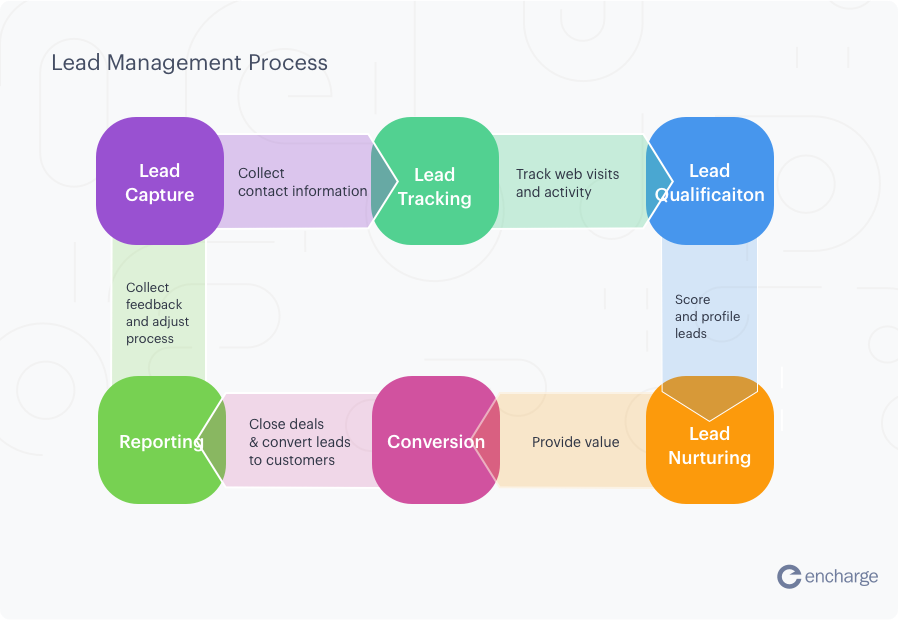
  • img_625eca235486c
    The Hidden Gaps in Builder Lead Management

    Most builders think they have a solid lead process until they see where the real drop offs happen. This post reveals the most common blind spots in OSC and sales workflows and how small fixes can dramatically improve conversions.

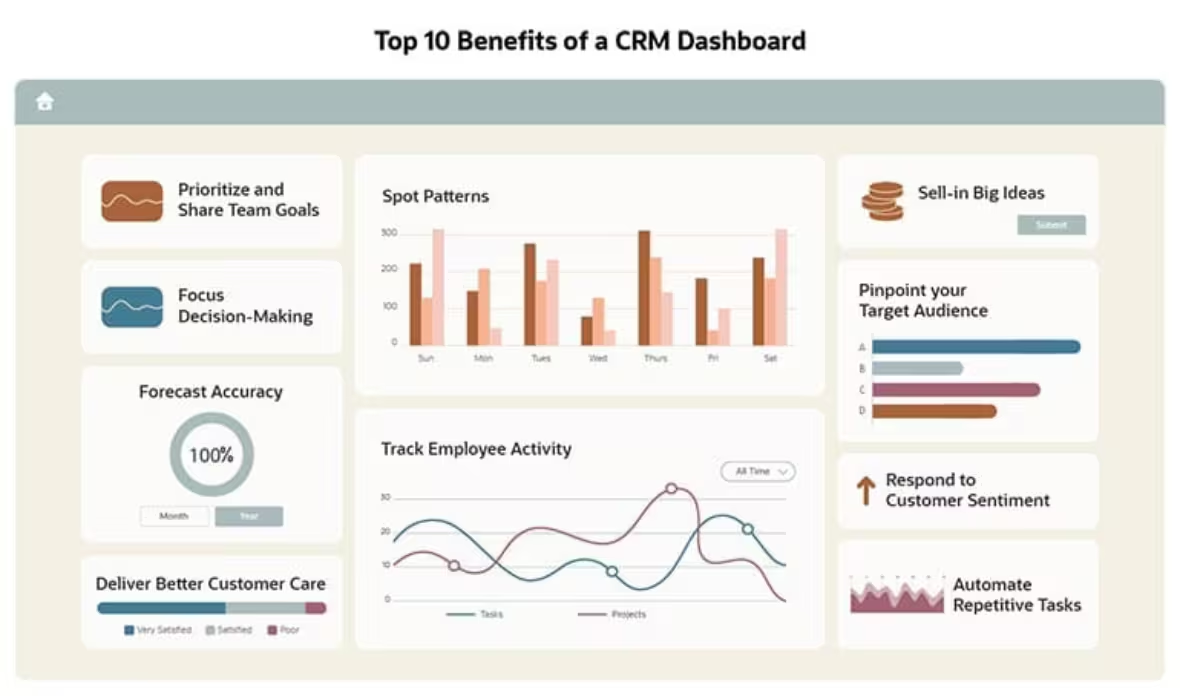
  • infographic-top-10-benefits-of-a-crm-dashboard
    Why Your Lead Reports Don’t Match Your Sales Numbers

    If your traffic, leads, and sales data never seem to line up, you are not alone. This post explains why disconnected systems create conflicting numbers and how a clean reporting framework brings clarity to your entire funnel.

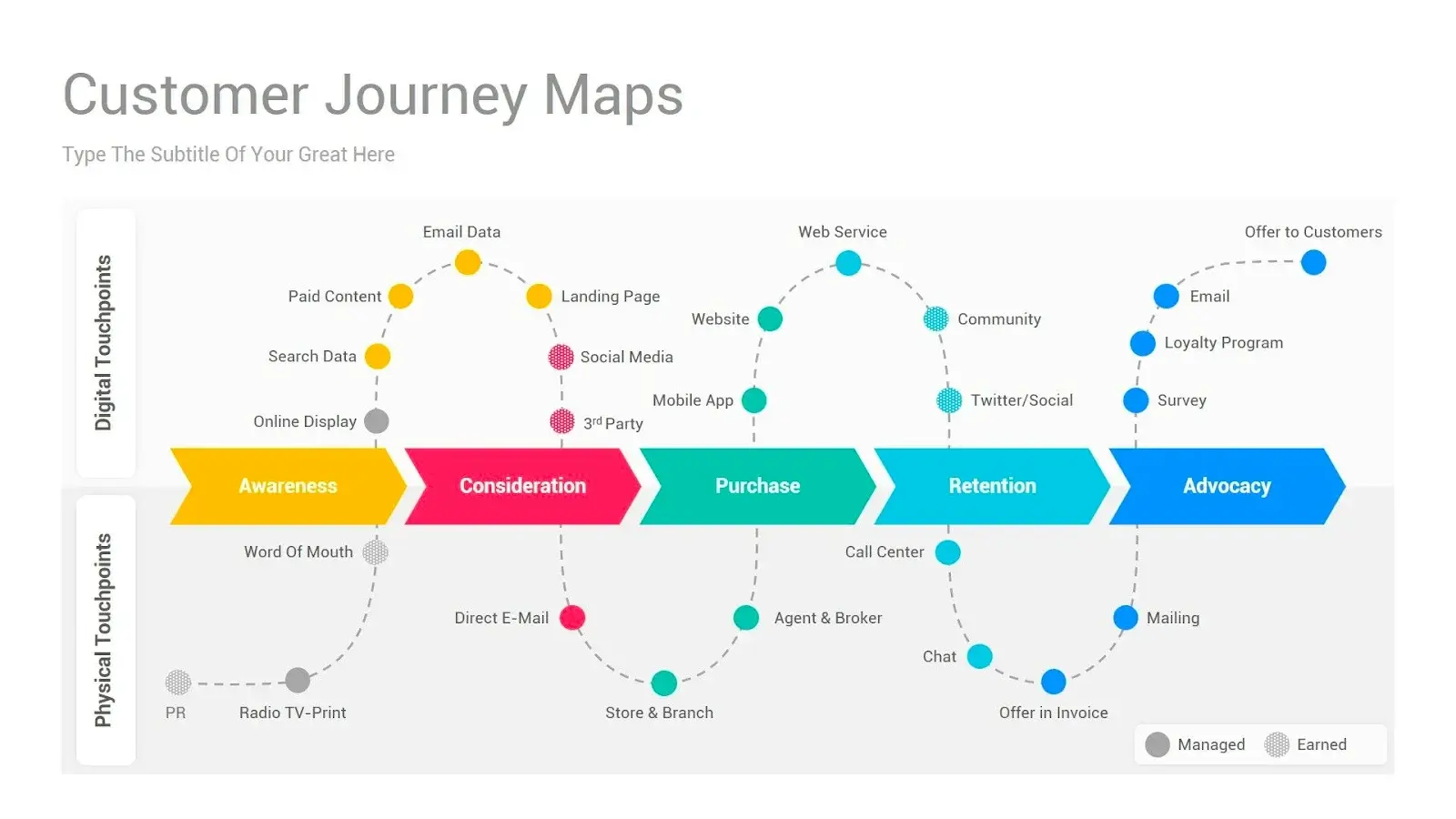
  • customer_journey_maps
    The Follow Up Framework That Turns More Prospects Into Appointments

    Great follow up is not about more emails. It is about the right sequence at the right time. This post breaks down a simple follow up framework used by top performing OSC teams and how it creates more appointments with less effort.